What Is Computer Security?

Computers and the internet have transformed almost every aspect of our personal and professional lives. Computers are vital to most modern businesses — but risk comes with that indispensability. Protecting business data is an important consideration for any organization, making computer safety a priority. Sensitive information is often valuable, making computer systems targets to thieves and hackers.
But what is computer security? Computer security refers to measures and controls that ensure the confidentiality, integrity and availability of the information processed and stored by a computer. This includes everything from protecting physical information assets, to data security and computer safety practices. Computer security ensures that a business’s data and computer systems are safe from breaches and unauthorized access.
Learning about computer security can help you build new skills to apply in your current role, or help you start on an entirely new career path. Computer security skills are incredibly valuable and will likely continue to be as computers continue to power the modern marketplace.
In this guide, we’ll discuss:
- What is security?
- Types of computer security
- The importance of computer security
- Jobs in computer security
Basic Computer Security
Generally, basic computer security focuses on protecting computer systems from unauthorized access and use. For your own personal computer security, this can include steps like installing antivirus software, using a password generator and protecting the data you share online.
Computer security experts work to instantiate computer security (i.e., cybersecurity) best practices within organizations. This involves managing computer and network security and creating a security-focused culture within their organization. At its core, computer security functions as well as an organization’s people follow security protocols — many cases of unauthorized access and security breaches happen due to an employee clicking on a phishing email or disregarding security policies.
Computer security experts must also establish computer ethics best practices within their organization. Specifically, computer ethics refers to the ethical implementation and use of computing resources, according to Technopedia. This includes avoiding infringement of copyrights and trademarks, unauthorized distribution of digital content and the behavior and approach of a human operator, workplace ethics and compliance with the ethical standards that surround computer use.
Types of Computer Security
There are several different types of computer security that impact various elements of an organization’s physical and digital infrastructure. As a result, there are many different types of security that professionals must focus on, including
Each of these types of computer security involve multiple components and can be considered their own specialized fields. For example, network security involves the physical components of a network (e.g., routers, servers, other network infrastructure) and the software components that protect an organization’s network infrastructure (e.g., firewalls, security policy). This involves a great deal of both broad-based and detailed knowledge, making each type of security a specialization of its own.
Computer security specialists, sometimes called cybersecurity specialists, must be up-to-date on a wide range of computer security topics in order to protect their organizations from the ongoing cyber threats they face every day. Read on to learn the answer to the question Why is computer security so important?
Why Is Computer Security Important?
Cybercrime is incredibly common — according to the Cybersecurity & Infrastructure Security Agency (CISA), 1 in 3 homes in the United States has a computer infected with malware and 600,000 Facebook accounts are hacked every single day. Many of these breaches could have been avoided with proper security practices.
Computer security protects individuals and organizations against cyber threats and the loss of important data. Becoming the target of a cybercriminal can be incredibly damaging and disruptive to daily activities, whether personal or professional. So, why is computer security so important? Because understanding the basics of computer security can help you avoid headaches and keep your data safe from others. Having your identity stolen or your accounts compromised can involve hours lost with account recovery — as well as significant financial losses.
Computer security is also an important component of computer infrastructure in an enterprise setting. Cybersecurity specialists are becoming increasingly important for organizations across the globe to protect their business infrastructure from outside threats. Becoming an expert in computer security can lead to a lucrative, exciting career.
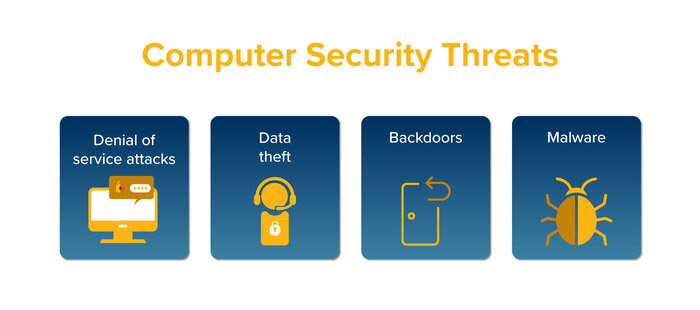
Computer security is often considered an “arms race,” in that computer security experts develop tools and procedures to combat the top cybersecurity threats in the field, while bad actors come up with new ways to exploit computer systems. Anyone interested in working in cybersecurity needs to stay up-to-date on the latest types of computer security threats and how to defend against them, making the field a great fit for anyone who loves a challenge.
Jobs in Computer Security
The demand for computer security professionals continues to grow, and jobs in computer security are available across a variety of industries. In addition, there are many subfields that someone interested in jobs in computer security can explore. Here, we’ll discuss some of the top jobs in computer security.
Protect Your Privacy Online
Many people have an image of hackers in their heads from movies and television shows — a hooded figure in a dark room typing away on a computer to hack into a vulnerable system. The reality is very different, with many hackers using personal information as a jumping-off point to steal a person’s identity or hack into their accounts or computers. Efforts to protect your privacy online are an important part of computer security in your personal and professional life.
Social engineering, the manipulation of human error to access information or systems that would otherwise be inaccessible, is one of the most common ways hackers gain access to personal information. Sharing things like your maiden name, address, where you grew up, your birthday or other personal information on social media can give hackers the information they need to reset passwords or get into personal accounts.
Taking steps to increase personal information security is critical to avoid the negative impacts of identity theft, social account hijacking and financial theft. Some ways you can protect your privacy online include
- Sharing less personal information on social media
- Using strong passwords
- Avoiding password reuse between accounts
- Using two-factor authentication when possible
- Browsing with a virtual private network (VPN) to protect web traffic data
- Removing unnecessary browser extensions and web applications
- Reviewing privacy settings for online accounts and restricting unnecessary data
Taking these steps can help protect your data online and prevent hackers from using your information against you. Learning how to protect your personal data can be a stepping stone to an interest in jobs in computer security, which apply the same types of principles on a corporate scale.
Learn More About Computer Security
Computer security is a dynamic field that offers competitive compensation and positive job growth in the coming years. There are many ways to learn about computer security, from traditional degree programs to self-guided learning and boot camps. Boot camps can be a great fit for learners with limited financial resources, those seeking real-world training in a short period of time and self-guided learners who want to take the next step in their career journey.
Berkeley Cybersecurity Boot Camp helps students learn in-demand skills they can then practice in real-world group projects which populate their professional portfolios. Learners gain hands-on experience in networking systems, web technologies, databases, cybersecurity best practices and more. Whether students hope to apply their new skills in their current career or transition to a new one, Berkeley Cybersecurity Boot Camp can fuel career growth and change career trajectories for the better. Enroll today to begin your computer security journey!
What Is Computer Security FAQs
Summary
Computer security is an important consideration for individuals and organizations alike. Understanding computer security can help keep your information safe both online and on your personal computer.
For those with a more advanced understanding and interest, computer security can turn into a lucrative career. If you’re interested in computer security and want to learn more, Berkeley Cybersecurity Boot Camp can teach you the in-demand skills you need to succeed in a variety of jobs in computer security. Take the next step to begin your future career today!