Introduction to Blockchain
Blockchain technology has been one of the most revolutionary innovations of the digital age. It serves as the underlying framework for cryptocurrencies like Bitcoin and Ethereum, but its applications extend far beyond digital currencies. At its core, blockchain is a decentralized, distributed ledger that records transactions across a network of computers. This article explores the intricacies of blockchain, its workings, applications, benefits, challenges, and future prospects.
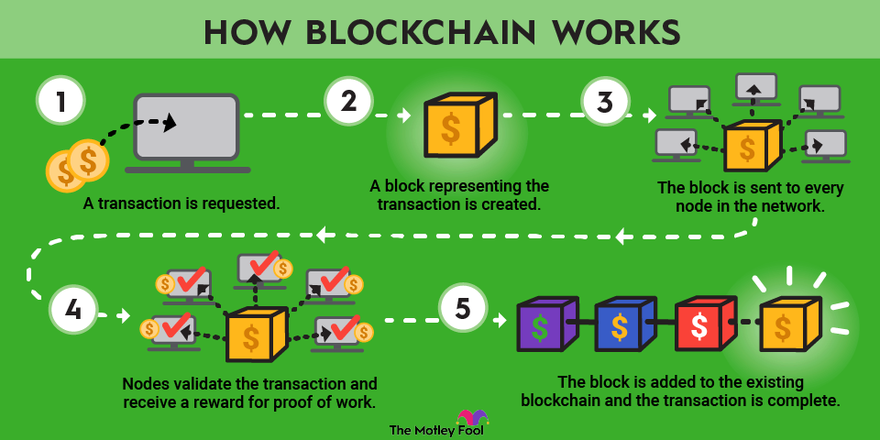
How Blockchain Works
Blockchain operates on the principles of decentralization, cryptography, and consensus mechanisms. Unlike traditional centralized systems, where a single authority controls data, blockchain distributes data across multiple nodes, ensuring transparency and immutability. Cryptography secures transactions by encrypting data, while consensus mechanisms ensure agreement among network participants regarding the validity of transactions.
Applications of Blockchain
Blockchain technology finds applications across various industries, including finance, healthcare, supply chain management, and more. Cryptocurrencies are the most prominent use case, enabling secure and transparent digital transactions. Additionally, blockchain facilitates efficient supply chain management by providing real-time visibility and traceability of goods. Smart contracts, self-executing contracts with predefined conditions, automate and enforce contractual agreements on the blockchain.
Benefits of Blockchain
The inherent characteristics of blockchain offer several advantages over traditional systems. Transparency and immutability ensure that once data is recorded on the blockchain, it cannot be altered or tampered with, enhancing trust among stakeholders. Enhanced security mechanisms protect against fraudulent activities and cyber attacks. Moreover, blockchain reduces costs associated with intermediaries and manual processes, making transactions more efficient and cost-effective.
Challenges and Limitations
Despite its potential, blockchain technology faces certain challenges and limitations. Scalability remains a significant concern, as the current infrastructure struggles to handle a large volume of transactions simultaneously. Regulatory uncertainty and compliance issues pose obstacles to widespread adoption, with governments grappling to establish clear guidelines. Moreover, the energy-intensive nature of blockchain mining raises environmental concerns, particularly regarding its carbon footprint.
Future Trends in Blockchain
Looking ahead, several trends are shaping the future of blockchain technology. Integration with the Internet of Things (IoT) enables secure and automated data exchange between connected devices, enhancing efficiency and productivity. Interoperability between different blockchain networks fosters seamless data transfer and communication, facilitating collaboration and innovation. Furthermore, governments worldwide are exploring blockchain solutions for various applications, from identity management to voting systems, signaling broader adoption and integration into public services.
Conclusion
In conclusion, blockchain technology represents a paradigm shift in how data is stored, shared, and managed. Its decentralized nature, coupled with cryptographic security and consensus mechanisms, offers numerous benefits across industries. However, challenges such as scalability, regulatory hurdles, and energy consumption must be addressed to unlock its full potential. Nevertheless, with ongoing advancements and innovations, blockchain continues to revolutionize the digital world, paving the way for a more transparent, secure, and efficient future.
FAQs
Is blockchain only used for cryptocurrencies?
- While cryptocurrencies are a popular application of blockchain, the technology has diverse applications beyond digital currencies, including supply chain management, smart contracts, and identity management.
How does blockchain ensure security?
- Blockchain employs cryptographic techniques to secure transactions, making them immutable and tamper-proof. Additionally, its decentralized nature reduces the risk of single-point failures and cyber attacks.
What are the environmental concerns associated with blockchain?
- The energy-intensive process of blockchain mining, particularly in proof-of-work consensus mechanisms, raises concerns about its environmental impact and carbon footprint.
Can blockchain be integrated with other emerging technologies?
- Yes, blockchain can be integrated with technologies like the Internet of Things (IoT) to enable secure and automated data exchange between connected devices, enhancing efficiency and productivity.
Are governments adopting blockchain technology?
- Governments worldwide are exploring blockchain solutions for various applications, from identity management to voting systems, indicating broader adoption and integration into public services.