Introduction to Microscopes
Microscopes are indispensable tools in the world of science and research, allowing us to peer into the invisible realms of the tiny and the minuscule. From unraveling the mysteries of the cellular world to delving into the intricate structures of materials, microscopes have revolutionized our understanding of the universe at the microscopic level.
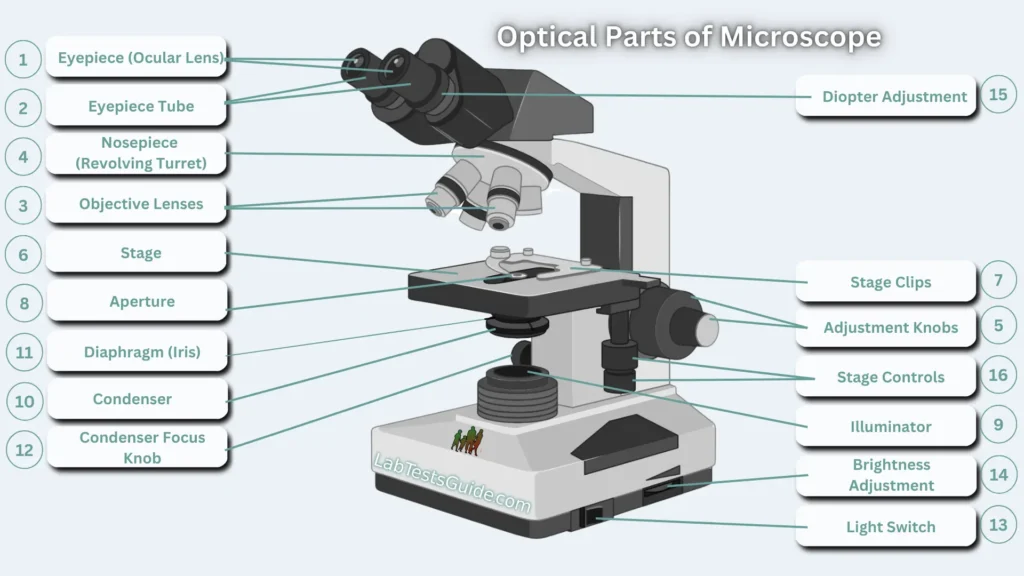
History of Microscopes
The journey of microscopes began centuries ago with the invention of the first rudimentary optical devices. From the simple magnifying glass to the complex electron microscopes of today, the history of microscopy is a tale of innovation and technological advancement.
Types of Microscopes
Microscopes come in various forms, each tailored to specific applications and imaging needs. Optical microscopes utilize visible light to magnify objects, while electron microscopes employ electron beams for ultra-high resolution imaging. Additionally, scanning probe microscopes offer nanoscale imaging capabilities by scanning surfaces with sharp tips.
How Microscopes Work
At their core, microscopes operate on the principles of optics and magnification. By manipulating light or electron beams, microscopes can resolve details far beyond the limits of human vision, revealing intricate structures and patterns at the microscopic scale.
Applications of Microscopes
Microscopes find widespread use across diverse fields, including biology, materials science, and forensics. In biological research and medicine, microscopes enable the visualization of cells, tissues, and microorganisms, facilitating breakthroughs in disease diagnosis and treatment.
Advancements in Microscopy
Recent decades have witnessed remarkable advancements in microscopy technology, enabling researchers to push the boundaries of resolution and imaging capabilities. Techniques such as super-resolution microscopy and cryo-electron microscopy have revolutionized our ability to visualize biological structures with unprecedented clarity.
Importance of Microscopes in Education
Microscopes play a crucial role in education, providing students with hands-on experiences and fostering curiosity and discovery. By incorporating microscopes into classroom activities, educators can enhance learning outcomes and inspire the next generation of scientists and researchers.
Challenges and Limitations
Despite their numerous benefits, microscopes are not without challenges. Resolution limitations, sample preparation requirements, and cost considerations pose significant barriers to widespread adoption and accessibility.
Future Trends in Microscopy
Looking ahead, the future of microscopy holds exciting possibilities. Integrating microscopy with artificial intelligence promises to streamline image analysis and interpretation, while advancements in nanoscale imaging techniques offer new insights into the nano-world. Moreover, the development of portable and affordable microscope solutions could democratize access to microscopy tools worldwide.
Conclusion
In conclusion, microscopes have transformed our understanding of the world at the microscopic scale, fueling scientific discovery and innovation across various disciplines. As technology continues to evolve, microscopes will remain invaluable assets in our quest to unravel the mysteries of the universe.
FAQs
What are the main differences between optical and electron microscopes?
Optical microscopes use visible light for imaging and are suitable for observing living specimens, while electron microscopes employ electron beams for higher resolution imaging of non-living samples.
How has microscopy contributed to our understanding of cells?
Microscopy has enabled scientists to visualize cellular structures and processes, leading to groundbreaking discoveries in cell biology and molecular biology.
Can microscopes be used outside of scientific research?
Yes, microscopes have applications beyond scientific research, including industrial quality control, environmental monitoring, and medical diagnostics.
Are there any risks associated with using microscopes?
While microscopes themselves pose minimal risks, improper use or handling of specimens may lead to contamination or damage to the equipment.
What skills are required to operate advanced microscopes?
Operating advanced microscopes often requires training in microscopy techniques, sample preparation, and image analysis, as well as familiarity with specialized software and equipment.